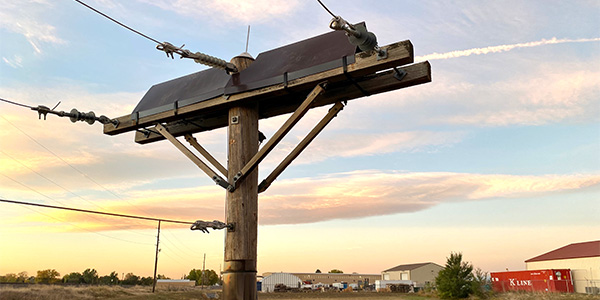
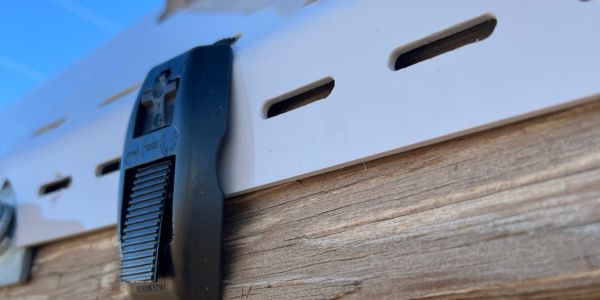
Subtransmissions

Subtransmission structures are important for tying the transmission grid into the distribution but, until now, they have historically been difficult to mitigate.

CLICK HERE FOR INSTALL VIDEOS & PRODUCT SUPPORT >

Subtransmission structures are a crucial link between the high-voltage transmission grid and the local electrical distribution system. These structures play a vital role in ensuring power flows efficiently from the transmission network to end users. However, they are also vulnerable to wildlife-related outages, which have historically been difficult to mitigate. Power Line Sentry’s subtransmission product category offers innovative solutions designed to address the unique challenges posed by wildlife interactions at these critical junctions.

Building resilient energy infrastructure

The potential for wildlife to cause outages at subtransmission structures is significant due to their high-voltage equipment and elevated access points. Protecting subtransmission assets is essential for preventing disruptions to power delivery and reducing the likelihood of expensive repairs. By implementing proactive wildlife protection, utilities can improve their distribution management systems, minimize environmental impact, and ensure reliable power for the communities they serve.

Osprey landing on it's nest, holding a fish

Wildlife risks

Subtransmission systems cover vast geographic areas with exposed lines, making them particularly vulnerable to wildlife interactions. Birds frequently collide with power lines, especially in low-visibility conditions, while climbing animals can cause faults by bridging connections on poles or conductors. To address these challenges, subtransmission structures rely on solutions such as line markers and bird flight diverters, which enhance visibility and reduce avian risks across extended distances.

Balancing wildlife safety & power stability

Wildlife protection in subtransmission systems requires targeted strategies to address the challenges posed by their expansive structures and energized components. Effective mitigation protects wildlife and maintains the reliability and safety of the electrical grid. Key approaches include:

Flight deterrence

Using reflective surfaces to make lines more visible, especially in low-light conditions, reduces bird collisions with power lines.

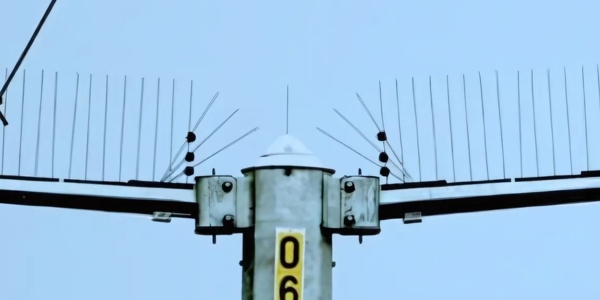
Preventing perching

Discourage birds from landing on sub-transmission structures and reduce the risk of electrocution and damage to critical equipment.

Safe maintenance

Keep crews safe without de-energizing lines or disrupting service while working on energized equipment.

Wildlife challenges

Due to their extended spans, elevated structures, and exposed equipment, subtransmission systems face unique wildlife challenges. These factors create risks for both the grid and local wildlife, requiring proactive measures to minimize disruptions and protect the environment.

Bird collisions

Species that follow migratory flyways are especially vulnerable to collisions with power lines. In low-visibility conditions, such as at dawn, dusk, or during storms, the likelihood of avian collisions increases significantly, causing disruptions and wildlife fatalities.

Raptors

Birds of prey, such as hawks and eagles, are drawn to subtransmission structures for their height and vantage points. While these perches provide ideal hunting spots, they increase the likelihood of dangerous contact with energized components, posing risks of electrocution and outages.

Climbing animals

Squirrels and other agile climbers frequently use subtransmission poles and lines as pathways. These animals can inadvertently cause faults by bridging energized components, leading to equipment damage and power outages.

Nesting risks

Small birds often build nests on subtransmission structures, utilizing sheltered spaces around poles and cross-arms. Nests can cause short circuits, equipment malfunctions, and even fires if constructed near energized areas. Nesting prevention tools effectively discourage this behavior, reducing both environmental and operational hazards.